


Tooth pain can range from mildly annoying to downright unbearable — but when does it mean something serious is happening inside your tooth? At North Oakville Dental, we often see patients who wait longer than they should to address deep tooth pain or sensitivity, only to discover that their tooth infection has progressed and requires a root canal. The good news is that modern root canal therapy is safe, effective, and virtually painless. Understanding the signs and causes can help you act early and protect your natural teeth.
What Is a Root Canal?
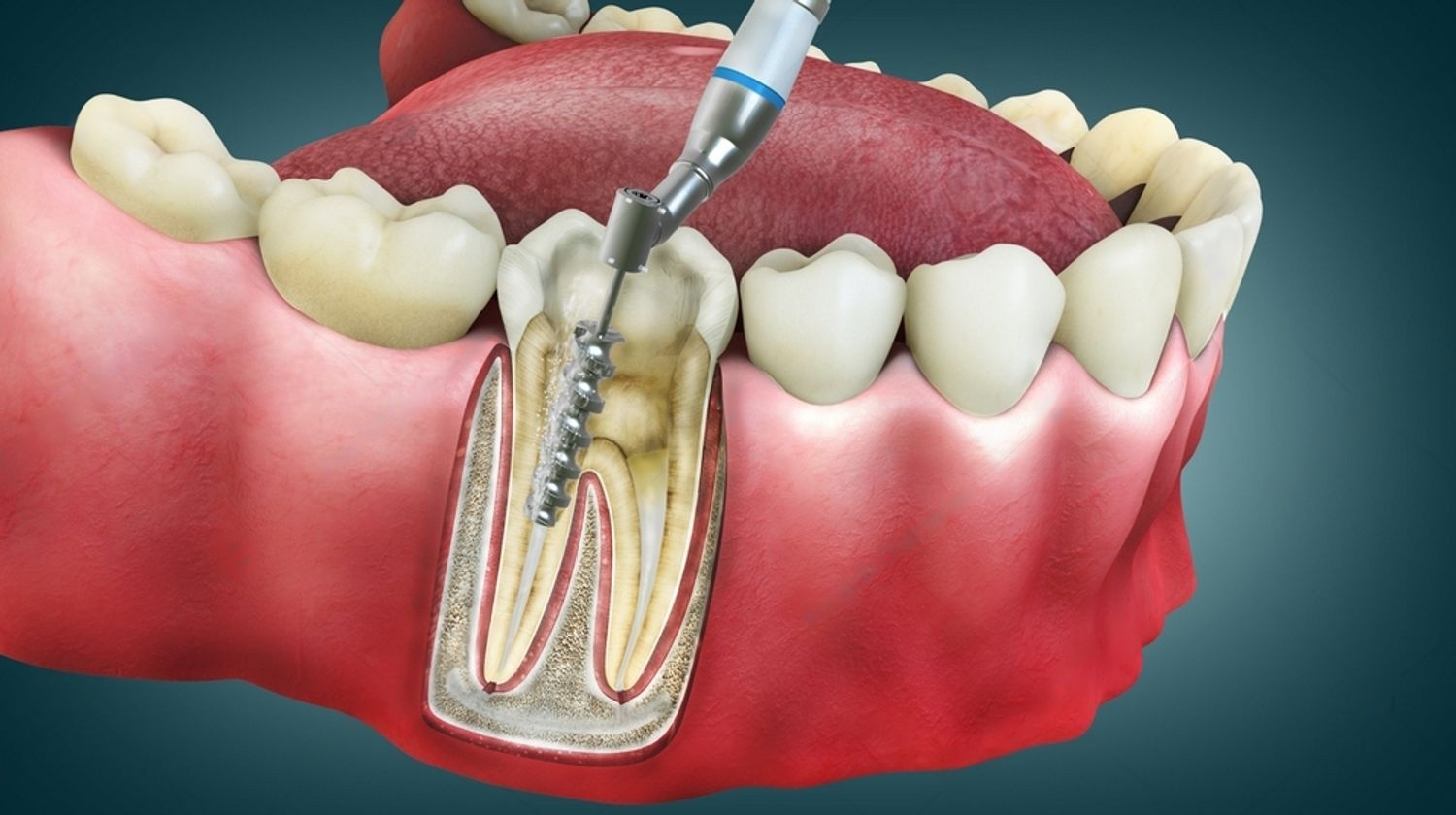
A root canal, or endodontic therapy, is a dental procedure that removes infected or damaged pulp from inside your tooth. The pulp contains nerves, blood vessels, and connective tissue that help your tooth grow when it first develops. Once a tooth is fully formed, it can survive without this pulp because the surrounding tissues continue to nourish it.
When bacteria enter the pulp — through deep decay, cracks, chips, or repeated dental procedures — infection and inflammation can occur. If left untreated, the infection can spread to the jawbone, form an abscess, and even lead to tooth loss. A root canal eliminates this infection, relieves pain, and saves your natural tooth from extraction.
Common Signs You May Need a Root Canal
Knowing when to seek help is crucial. Here are the most common warning signs that you might need a root canal:
1. Persistent Tooth Pain
A deep, throbbing pain that doesn’t go away is one of the clearest indicators. You may feel discomfort when chewing, touching the tooth, or even when doing nothing at all. The pain often radiates to the jaw, ear, or other teeth, making it hard to pinpoint the exact source without a professional exam.
2. Prolonged Sensitivity to Hot or Cold
If you notice sharp or lingering pain when eating or drinking something hot or cold, it could mean that the tooth’s nerves are inflamed or infected. Sensitivity that lasts long after the temperature change is gone is often a red flag that the pulp is compromised.
3. Gum Swelling or Tenderness
Swelling near a specific tooth is another sign of infection. You might notice a small bump, known as an abscess, that looks like a pimple on the gums. It may release pus or have a bad taste. Even if the swelling subsides, the infection could still be present and should be examined by your dentist.
4. Tooth Discoloration
When the pulp inside your tooth dies, it can cause the tooth to darken or turn grayish in color. This internal discoloration is different from staining caused by coffee or wine — it’s a sign that the nerve and blood supply are deteriorating.
5. Cracked or Chipped Tooth
A cracked or chipped tooth can allow bacteria to reach the pulp, leading to infection. Whether caused by an accident, biting something hard, or teeth grinding (bruxism), even a small fracture can compromise the tooth’s integrity and make a root canal necessary.
6. Loose Tooth
An infected tooth can feel slightly loose as pus builds up at the root and weakens the supporting bone. This symptom usually occurs in advanced cases and should be treated immediately to prevent tooth loss.
When Tooth Pain Isn’t Just Tooth Pain
Sometimes, tooth pain can be misleading. Sinus infections, gum disease, and even temporomandibular joint (TMJ) disorders can cause similar discomfort. That’s why it’s so important to get a professional evaluation. At North Oakville Dental, our team uses advanced imaging technology and digital X-rays to accurately diagnose the cause of your pain and determine whether a root canal is necessary.
What Happens During a Root Canal Procedure
If you do need a root canal, you can rest assured that the process is straightforward and comfortable. Here’s what to expect at North Oakville Dental:
- Diagnosis and Preparation – We begin with an X-ray to locate the infection and assess the damage. Once confirmed, we administer local anesthesia to numb the area completely.
- Removing the Infected Pulp – A small opening is made in the tooth’s crown to access the pulp chamber. The infected tissue is gently removed, and the inside of the tooth is cleaned and disinfected.
- Filling and Sealing – The empty canal is filled with a biocompatible material called gutta-percha, which seals the space and prevents bacteria from re-entering.
- Restoration – To protect and strengthen the treated tooth, we usually place a crown or filling. This final step restores your tooth’s function and appearance, allowing you to chew and smile confidently again.
The entire procedure can often be completed in one visit, though complex cases may require two appointments.
What If You Ignore the Symptoms?
Delaying treatment for an infected tooth can have serious consequences. The infection can spread beyond the tooth to the surrounding bone and tissues, leading to:
- Abscess formation, which causes swelling, severe pain, and pus buildup.
- Bone loss around the root of the tooth.
- Systemic infection, as bacteria can enter the bloodstream and affect other parts of your body.
- Tooth loss, which may require extraction and replacement with a dental implant or bridge.
Early intervention with a root canal not only prevents these complications but also saves you from more extensive (and expensive) dental procedures later on.
Recovery and Aftercare
After your root canal treatment, mild soreness is normal for a few days. This can be managed easily with over-the-counter pain medication. You should avoid chewing on the treated tooth until your permanent crown is placed to prevent damage. Maintaining good oral hygiene — brushing twice daily, flossing, and keeping up with regular dental checkups — will ensure your tooth heals properly and remains healthy.
At North Oakville Dental, we’ll follow up with you after your procedure to make sure your recovery is smooth and your results last. Most patients find that their pain is completely gone once the infection is treated.
Why Choose North Oakville Dental for Root Canal Treatment
Our clinic is proud to serve patients from Oakville and surrounding communities with compassionate, modern dental care. Dr. Charles Blumenfeld and our experienced team specialize in comfortable, precise root canal therapy using the latest technology and techniques.
We understand that dental anxiety is real — that’s why we offer sedation options for patients who need a little extra reassurance during treatment. From diagnosis to aftercare, our priority is your comfort and long-term oral health.
Take Action Before It’s Too Late
If you’ve been living with tooth pain, sensitivity, or swelling, it’s time to have it checked. Root canal therapy can relieve your pain, stop the infection, and save your tooth — often in just one visit.
At North Oakville Dental, we make the process easy, safe, and stress-free. Schedule your consultation today and take the first step toward restoring your oral health and comfort.
Your smile deserves the best care. Don’t wait for the pain to worsen — contact North Oakville Dental today to book your appointment and let our expert team help you protect your teeth for life.