


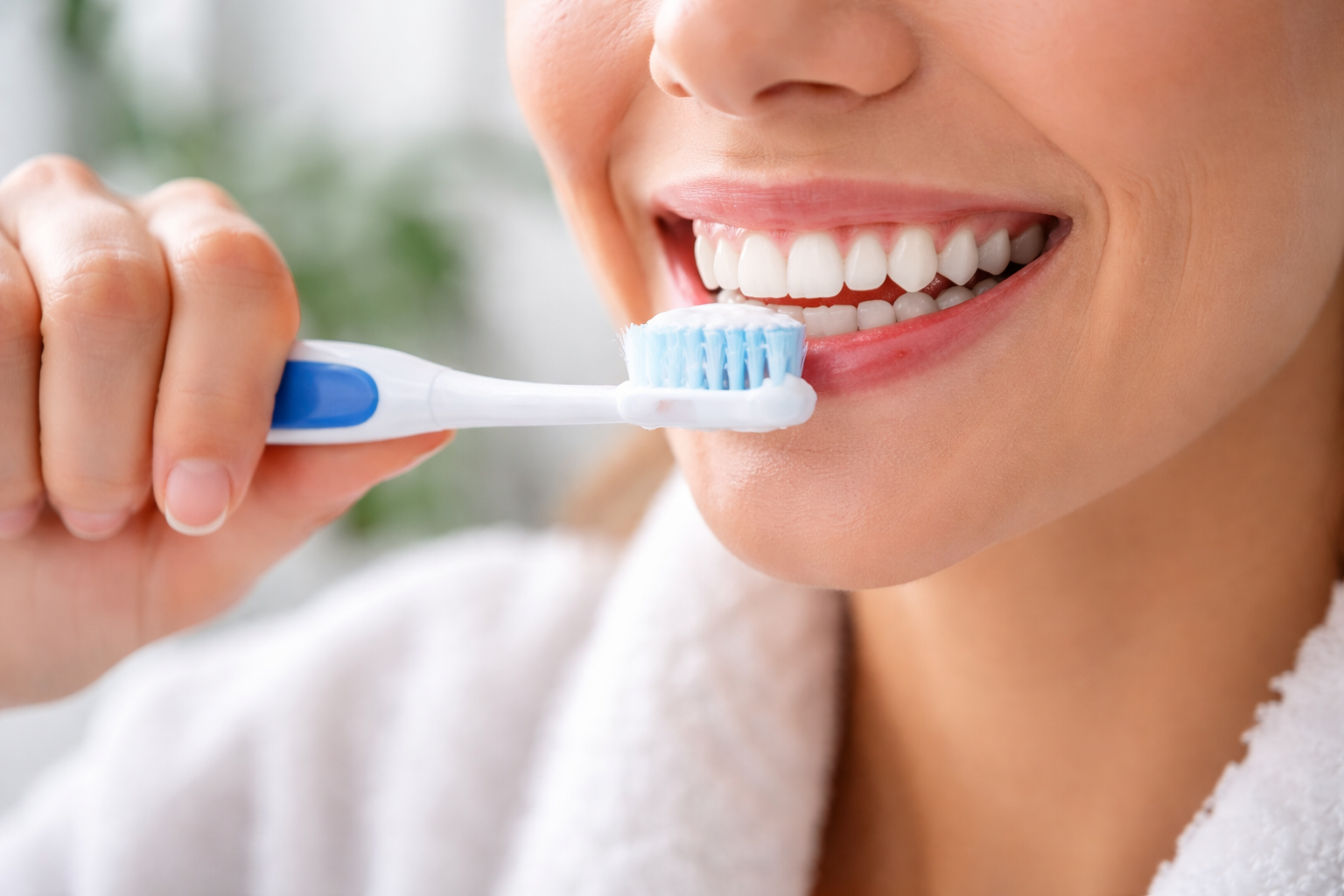
If you notice pink in the sink after brushing your teeth, you’re not alone. Bleeding gums are one of the most common oral health concerns, yet many people ignore the warning sign. Some assume they are brushing too hard, while others believe bleeding is normal. The truth is that healthy gums should not bleed during brushing or flossing. If they do, it is usually a signal that something needs attention.
Understanding why your gums bleed when you brush can help you take the right steps to protect your oral health and prevent more serious problems down the road.
The Most Common Cause: Gingivitis
The number one reason gums bleed is gingivitis, the earliest stage of gum disease. Gingivitis occurs when plaque builds up along the gumline. Plaque is a sticky film of bacteria that constantly forms on your teeth. If it is not removed through proper brushing and flossing, it irritates the gums.
When gums become inflamed, they may appear red, swollen, and tender. Bleeding during brushing or flossing is often one of the first signs. The good news is that gingivitis is reversible. With improved oral hygiene and professional dental cleanings, your gums can return to a healthy state.
Ignoring bleeding gums, however, allows gingivitis to progress into periodontitis, a more advanced form of gum disease that can lead to gum recession, bone loss, and even tooth loss.
Brushing Too Aggressively
Another common reason for bleeding gums is brushing too hard or using a toothbrush with stiff bristles. Many people believe that scrubbing harder will make their teeth cleaner. In reality, aggressive brushing can damage gum tissue and wear down enamel.
If you notice bleeding and also experience gum tenderness or receding gums, your brushing technique may be part of the problem. Switching to a soft bristled toothbrush and using gentle, circular motions can help protect your gums while still effectively removing plaque.
Electric toothbrushes with pressure sensors are also helpful for preventing excessive force.
Inconsistent Flossing
It is common for gums to bleed when someone starts flossing after a long break. When plaque and bacteria accumulate between teeth, the gum tissue becomes inflamed. The first few days of consistent flossing may cause some bleeding as the tissue adjusts.
If bleeding decreases after about a week of daily flossing, it likely means your gums are healing. However, if bleeding continues, it may indicate underlying gum disease that requires professional care.
Flossing daily is essential because brushing alone cannot effectively clean between teeth where plaque often hides.
Hormonal Changes
Hormonal fluctuations can make gums more sensitive and prone to bleeding. This is especially common during pregnancy, puberty, menstruation, or menopause. Increased hormone levels can exaggerate the body’s response to plaque, leading to inflammation and bleeding.
Pregnancy gingivitis is particularly common. Expecting mothers may notice swollen or bleeding gums even with good oral hygiene. Regular dental checkups during pregnancy are important to monitor and manage gum health.
Vitamin Deficiencies
Certain nutritional deficiencies, particularly vitamin C and vitamin K, can contribute to bleeding gums. Vitamin C supports healthy connective tissue and immune function. A deficiency can weaken gum tissue and make it more susceptible to bleeding.
While severe deficiencies are less common today, maintaining a balanced diet rich in fruits and vegetables plays a key role in oral and overall health.
Medications That Affect Gum Health
Some medications can increase the likelihood of bleeding gums. Blood thinners, for example, reduce clotting ability, which may cause minor gum irritation to bleed more easily. Other medications can cause dry mouth, reducing saliva flow and increasing plaque buildup.
If you suspect your medication is contributing to bleeding gums, speak with your dentist and physician. Never stop taking prescribed medication without professional guidance.
Tartar Buildup
When plaque is not removed regularly, it hardens into tartar, also known as calculus. Tartar cannot be removed by brushing or flossing alone. It requires professional scaling during a dental cleaning.
Tartar buildup along the gumline creates a rough surface where more bacteria can accumulate. This irritation often leads to chronic gum inflammation and bleeding.
Regular professional cleanings are essential for preventing tartar accumulation and maintaining healthy gums.
Signs You Should Not Ignore
Occasional minor bleeding may not seem alarming, but persistent bleeding is a red flag. You should schedule a dental appointment if you notice:
- Bleeding that continues for more than a week
- Swollen, red, or tender gums
- Persistent bad breath
- Receding gums
- Loose teeth
These symptoms may indicate advancing gum disease that requires prompt treatment.
How to Stop Gums from Bleeding
The solution depends on the underlying cause, but several steps can significantly improve gum health.
Brush twice daily using a soft bristled toothbrush and fluoride toothpaste. Focus on gentle cleaning along the gumline without aggressive scrubbing.
Floss daily to remove plaque between teeth. If traditional floss is difficult, consider floss picks or water flossers.
Schedule regular dental cleanings every six months or as recommended by your dentist. Professional cleanings remove plaque and tartar that contribute to gum inflammation.
Use an antimicrobial or antibacterial mouth rinse if recommended by your dental professional.
Maintain a balanced diet and stay hydrated to support gum health.
Avoid tobacco products, as smoking significantly increases the risk of gum disease and delays healing.
Why Early Treatment Matters
Bleeding gums are often the earliest sign that your gums need attention. Treating gingivitis early is simple and highly effective. Once gum disease progresses, treatment becomes more complex and may involve deep cleaning procedures, ongoing periodontal therapy, or even surgery in severe cases.
Healthy gums are firm, pink, and do not bleed easily. Addressing the problem early not only protects your teeth but also supports your overall health. Research continues to show links between gum disease and systemic conditions such as heart disease, diabetes, and respiratory issues.
If your gums bleed when you brush, do not ignore it. While it may seem minor, it is usually a sign of inflammation or gum disease. The good news is that in most cases, bleeding gums can be reversed with improved oral hygiene and professional dental care.
Taking action early helps preserve your smile, protect your teeth, and maintain long term oral health. If you are unsure why your gums are bleeding, a dental examination can provide clarity and a personalized treatment plan to restore healthy, comfortable gums.
Healthy brushing should leave your mouth feeling clean, not sore or bleeding. When in doubt, schedule a visit and give your gums the attention they deserve.